












In 2024, the world of sports is undergoing a significant transformation through the integration of AI-driven technologies. These advancements are reshaping how athletes train, perform, and recover, providing a new level of depth in performance analytics. From smarter data collection to predictive insights, AI has become a cornerstone for teams and individual athletes aiming to stay competitive.This technology is revolutionizing performance analytics, offering deeper insights, predictive capabilities, and enhanced training methods for athletes. Explore how AI is reshaping the way teams and athletes strategize, train, and perform
Key Highlights
- Real-Time Data Analysis: AI allows coaches and teams to gather in-depth, real-time data on players’ performance and game strategies.
- Injury Prevention and Recovery: AI algorithms can predict potential injury risks and recommend personalized training plans.
- Enhanced Training Programs: Customized AI-driven training regimens adapt to each athlete’s needs, maximizing their potential.
- Performance Prediction: AI assists in forecasting game outcomes, aiding teams in strategic planning.
“AI in sports is redefining performance analytics, turning data into strategic insights that propel athletes to new heights. From personalized training programs to real-time performance tracking, AI enables athletes to refine their skills and maximize their potential. This shift from traditional methods to AI-driven analysis marks a new era where precision and innovation guide every step of an athlete’s journey.”
The Role of AI in Modern Training
AI tools track player performance by analyzing biometric data, providing real-time insights, and offering personalized recommendations for improvement. This technology helps coaches and athletes fine-tune training programs, identify strengths and weaknesses, and optimize overall performance.
How AI Enhances Player Safety
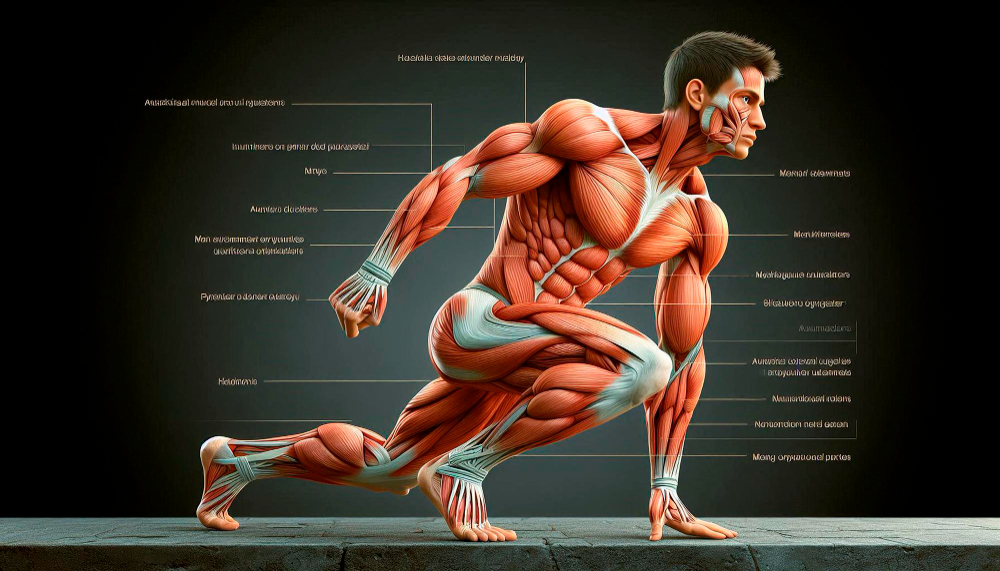
AI’s predictive analysis is transforming sports by identifying potential injury risks before they occur. It enables more accurate monitoring of athletes’ health, helping to prevent injuries. Additionally, AI supports personalized rehabilitation plans, ensuring faster recovery times and optimizing overall performance, allowing athletes to return stronger and more resilient.
Strategic Advantages Through AI Analytics
Teams are increasingly using AI to make more informed decisions regarding player rotations and tactical strategies. By analyzing vast amounts of data, AI helps identify optimal player matchups, anticipate opponent moves, and refine overall game plans. This data-driven approach enhances decision-making, allowing teams to stay competitive and improve their chances of success on the field.

Performance Prediction
As AI technology continues to advance, the future of sports performance and safety will become even more precise. With machine learning algorithms and predictive analytics, AI will refine talent scouting, game strategy, and even fan engagement through immersive experiences. From professional athletes to casual fitness enthusiasts, AI-driven solutions are set to revolutionize how we train, perform, and stay safe in sports.
The Future of AI in Sports
As AI technology continues to advance, the future of sports performance and safety will become even more precise. With machine learning algorithms and predictive analytics, AI will refine talent scouting, game strategy, and even fan engagement through immersive experiences. From professional athletes to casual fitness enthusiasts, AI-driven solutions are set to revolutionize how we train, perform, and stay safe in sports.
Conclusion: The integration of AI in sports is no longer a futuristic concept—it’s an essential tool for enhancing performance, preventing injuries, and providing a strategic edge. The capabilities AI offers are revolutionizing sports, ensuring that data-backed performance becomes the n